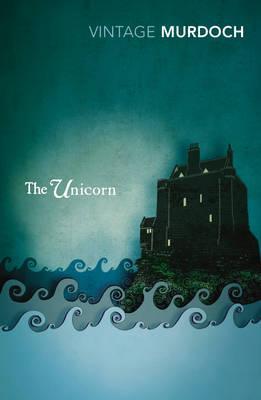
 Fairy-tales, legends and myths have always been key sources of inspiration for writers. Among the most striking examples of this doubtlessly count the plays credited to William Shakespeare, but there must be countless others who during their careers borrowed more or less generously and palpably to varying degrees from them. In the 1960s, it seems to have been fashionable to write novels with titles referring to a mythological creature that symbolises the protagonist. The Unicorn by Iris Murdoch is one of these. At its centre is a young woman resigned to living like a prisoner on her estate in a remote part of Ireland. Her almost complete passivity pains the newly arrived governess (or rather lady companion) who finds out about the tragic events that made her husband shut her up and who is determined to give her amiable mistress back freedom as well as the joys of real life.
Showing posts with label Gothic. Show all posts
Showing posts with label Gothic. Show all posts
Friday, 14 September 2018
Book Review: The Unicorn by Iris Murdoch
Fairy-tales, legends and myths have always been key sources of inspiration for writers. Among the most striking examples of this doubtlessly count the plays credited to William Shakespeare, but there must be countless others who during their careers borrowed more or less generously and palpably to varying degrees from them. In the 1960s, it seems to have been fashionable to write novels with titles referring to a mythological creature that symbolises the protagonist. The Unicorn by Iris Murdoch is one of these. At its centre is a young woman resigned to living like a prisoner on her estate in a remote part of Ireland. Her almost complete passivity pains the newly arrived governess (or rather lady companion) who finds out about the tragic events that made her husband shut her up and who is determined to give her amiable mistress back freedom as well as the joys of real life.Wednesday, 12 April 2017
New on Lagraziana's Kalliopeion: Bruges-la-morte by Georges Rodenbach
 A Widower’s Grief:
Bruges-la-morte by Georges Rodenbach
Women or men who need to come to terms with the loss of a loved one are popular figures in literature. Since readers like happy endings, the grieving often find new joy, maybe even new love by the end of the story and at first this also seems to be the case in the late nineteenth-century novel Bruges-la-morte by almost forgotten Belgian journalist, poet and novelist Georges Rodenbach (1855-1898). But he was obsessed with death and so it’s little wonder that his symbolist chef-d'œuvre first published in 1892 is a thoroughly gloomy piece of prose poetry, a short Gothic novel in the vein of his contemporary Oscar Wilde. The book focuses on the melancholy scene of dead or moribund Bruges in Belgium at least as much as on the woebegone protagonist who has chosen the city to indulge in his infinite sorrow after the death of his adored wife and in keeping her memory alive.
Read more » (external link to Lagraziana's Kalliopeion)
Subscribe to:
Posts (Atom)